

Build Your Own Mallet
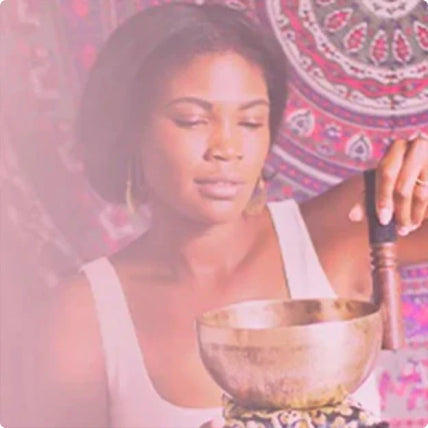
Deepen your relationship with singing bowls and sound, in a creative and hands-on way. Build your own mallet, coached by Dinesh Joseph, founder of Dragonfly Percussion and tenured philharmonic orchestral percussionist.
Starts Wednesday, October 21. Free and live on Zoom.
Save my free spotCreate Your Own Mallet. Learn From Hands-On Experience The Possibilities Of Your Bowls
Over three live Zoom sessions, you'll build your own mallets with your own hands, guided by Dinesh Joseph, a philharmonic percussionist and the founder of Dragonfly Percussion.
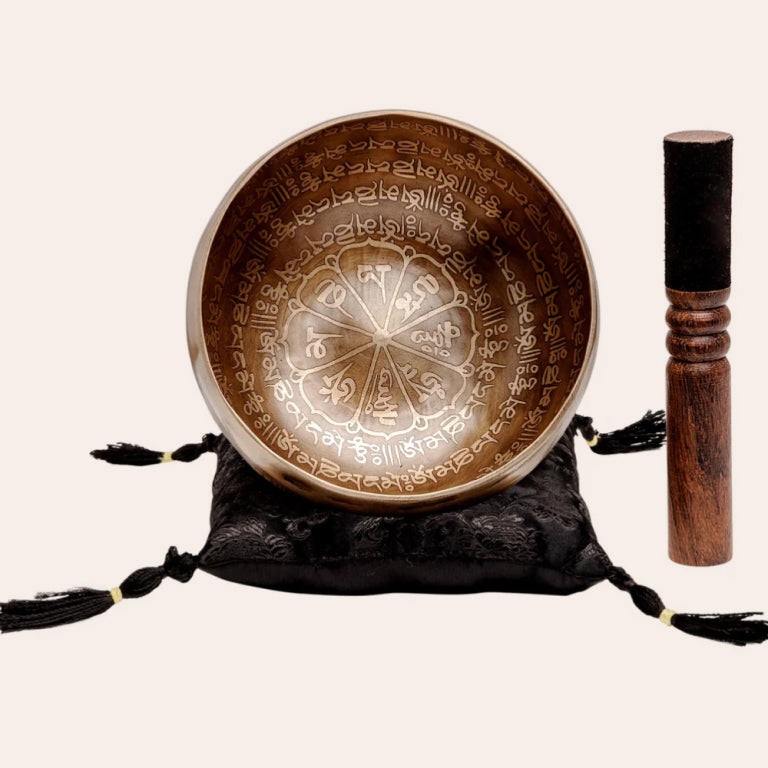
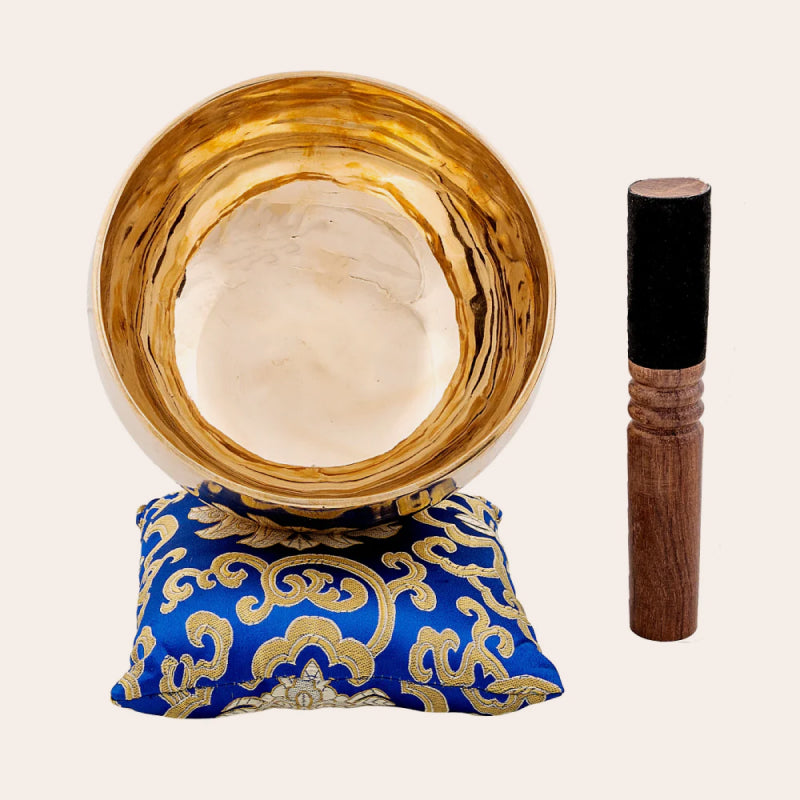
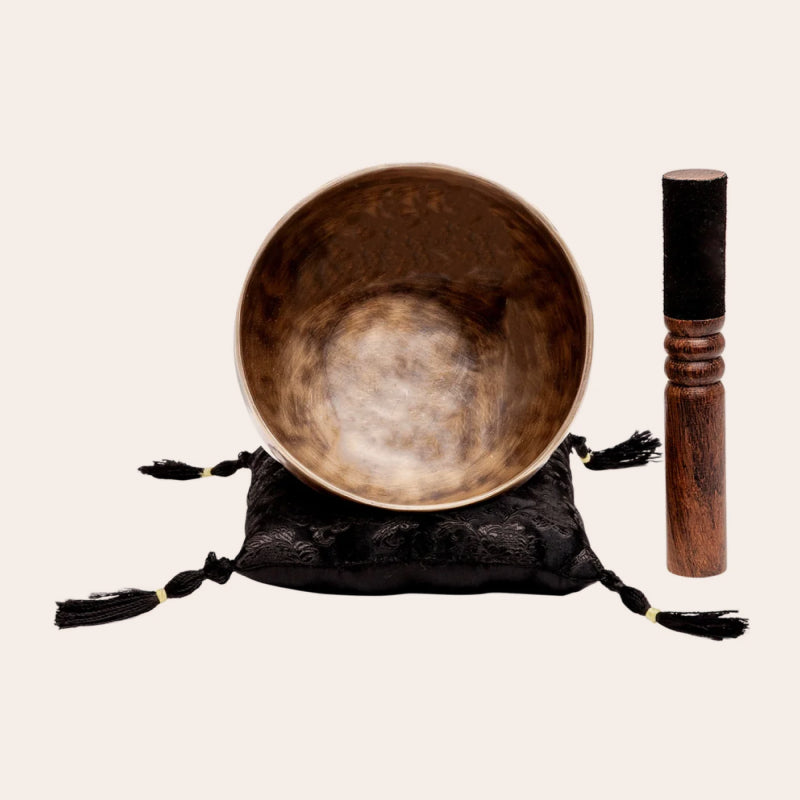
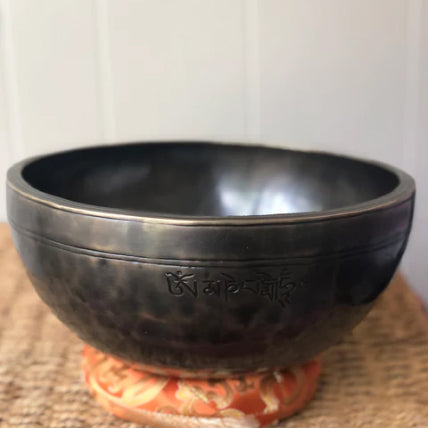
A singing bowl doesn't play "a note." It contains a wide-ranging, dynamic spectrum of possible sounds that is determined by the individual character of each incredible bowl.
Our mallets and playing implements can be so much more than free additions that come along with the instruments.
By experimenting with factors that we can control, like mass, texture and hardness, we can coax various timbres out of our bowl that can surprise and delight. Some iterations of this can be a magnifying glass, focusing on showcasing either the bowl's lowest fundamental tones, or only highlighting the high overtones of the bowl. Some mallets can be more wide-ranging, allowing the full spectrum of sound to ascend and decay with one strike.
Inside of this experience, you will learn and experiment with a hands-on project, building your own mallet from materials that we recommend you buy (you don't buy them from us, they'll come from Amazon or local hardware and craft stores), and watch Dinesh in his real workshop building a professional mallet. Then you'll hear what that does on your own bowl.
This is a behind-the-scenes look at how a professional musician who designs mallets looks at sound creation from your singing bowls, done as a communal craft project!
Your bowl has more in it than you've heard
The right mallet brings it out.
Your singing bowl has a full spectrum of possibility that is unique to that bowl.
Each bowl is like a human fingerprint. The weight, size and angles all determine the unique full possibility of your bowl.
Different mallets and playing implements let you express and explore that spectrum. You can magnify certain things, focusing on the fundamental or on the overtones. Or you can expand the aperture, open up the lens, and experience all of it at once.
A mallet doesn't create something that isn't already there. It brings out what your bowl already has.
Ben Irons has famously said something to the effect of: before getting a larger collection of singing bowls, get a larger collection of mallets, so you can bring more out of the instruments you already have.
Play the same bowl with a leather wand, then with a harder Delrin wand, and the harder one brings out a wider spectrum of overtones and more projection. Learn to make and choose your mallets, and you hear more of the bowl you already love.
Three Wednesdays. One mallet you made yourself.
Week 1 · October 21: How a mallet shapes sound, then the build
Dinesh opens with timbre and the full range of possibility your instruments have. You'll hear exactly how a philharmonic percussionist and maker of specialty playing implements thinks about getting more out of them, and which factors we can control: mass, texture, hardness. Then he shows you how to go about cobbling together your own mallet from scratch.
Week 2 · October 28: Show and tell, coached live
We come back together live. Volunteers come on, show the mallet they made, and Dinesh does some tweaking in real time. Not coaching on how you play, but on the implement you ended up creating.
Week 3 · November 4: Dinesh builds one live
A little more show and tell. Then we close by watching Dinesh, in real time from his workshop in Buffalo, create one of the professional mallets that Dragonfly makes exclusively for The Ohm Store.

Learn from the man who makes our mallets
Founder of Dragonfly Percussion. Buffalo Philharmonic percussionist since 2003.
Dinesh Joseph is the founder of Dragonfly Percussion. He has been a percussionist with the Buffalo Philharmonic Orchestra since 2003, and he trained at Juilliard. He also makes the Dragonfly mallets we carry at The Ohm Store.
For an orchestral percussionist, an intimate understanding of exactly what their instruments will do is their job. Dinesh brings that to your bowl.
What you walk away with
- A deeper relationship with your instrument. Making your own mallet isn't about replacing professional implements made by someone who has dedicated his life to this. It's a way to gain a deeper relationship and appreciation with the instruments you use.
- Fun in community. Three live sessions and a private Facebook group between them. It is going to be fun, engaging, and a growth opportunity for all of us.
- A mallet you made yourself. In Dinesh's words, "a few strikers and a wand or two."
- A front-row seat in Dinesh's workshop. You'll watch him build an Ohm-exclusive mallet live in week three.
Free, live, and recorded
- Wednesdays: October 21, October 28 and November 4, at 1:30pm CT
- About 1 to 2 hours each
- Live on Zoom (the link comes by email after you sign up)
- Recorded if you can't make it
- Free
- About $100 in materials, from Amazon or local craft and hardware stores
- Beginners welcome. You'll need a singing bowl or gong to test on.
- Private Facebook group between sessions (link after you sign up)
- No cap and no deadline, but sign up early so you have time to buy materials
Save your free spot
Free. Live on Zoom. Wednesdays Oct 21, Oct 28 and Nov 4 at 1:30 PM CT.
You'll get the Zoom link and materials list by email.
Questions, answered
What materials will I need?
About $100 worth, from Amazon or local craft and hardware stores. Here's Dinesh's list, in his words:
Hardware store
- 5/8" hardwood dowel
- and/or bamboo stakes approximately 1/2" diameter
- 1" hardwood dowel
- 100 grit sandpaper
- Roll of 1" masking tape or Duct tape
- 5/8" rubber crutch tips
- spray adhesive/ contact cement
- 1" foam weatherstripping
Craft store
- polar fleece (must have stretch)
- Adhesive-backed craft felt sheets
- embroidery floss/thread or waxed dental floss
- Cheap wooden chopsticks
- Suede scraps
Tools
- Good pair of general purpose scissors
- Small curved nail or craft scissors
What if I miss a class?
Every session is recorded if you can't make it. Then catch up with everyone in the Facebook group before the next one.
I'm not handy. Can I still do this?
Yes. Beginners are welcome. Dinesh walks you through the build in week one, and in week two he'll help tweak what you made, live. The point isn't a perfect mallet. It's learning what mass, texture and hardness do to your bowl's sound.
I don't have a bowl.
You'll need a singing bowl or gong to hear what your mallet does. If you don't have one yet, we'd welcome getting you your first bowl. Browse our singing bowls
I already own pro mallets. Why make one?
Making your own isn't meant to replace them. It's a way to understand what those mallets are doing, and to get a deeper appreciation for them and for your bowls. And in week three you'll watch Dinesh make one of the professional mallets he makes exclusively for The Ohm Store.


